
 By
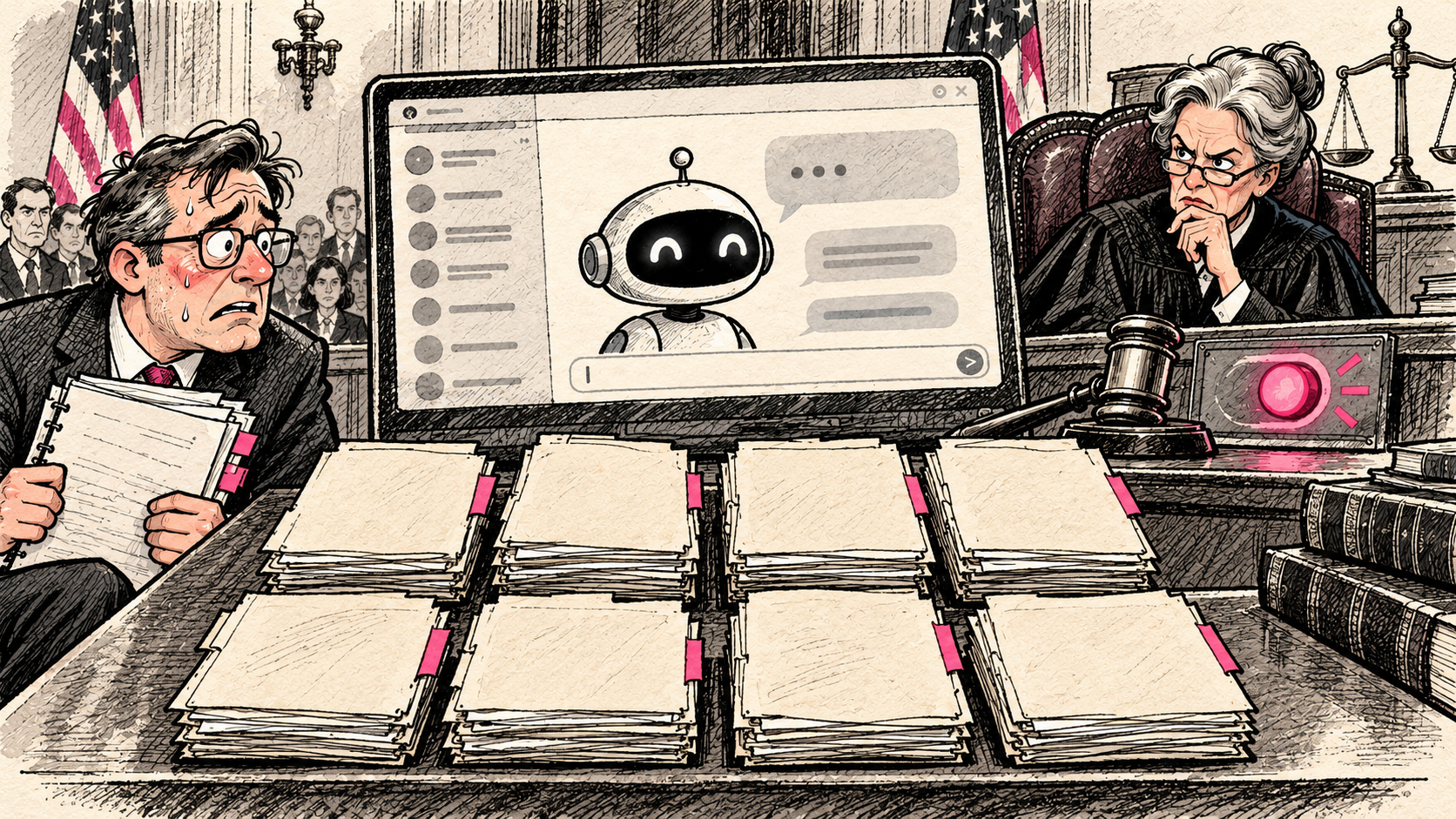
By OpenAI has spent years explaining that artificial intelligence is a powerful new tool whose rough edges will be sanded down by more artificial intelligence. Eight states have now clicked ‘report a problem,’ except the form is a lawsuit and the customer-support agent is an attorney general.
Arizona, Arkansas, Idaho, Iowa, Kansas, Montana, Nebraska and West Virginia filed separate cases accusing OpenAI of violating state consumer-protection laws. The complaints allege that ChatGPT was promoted as safe while its design encouraged dependence, reinforced delusions, provided dangerous medical guidance or assisted users contemplating self-harm or violence. Those are allegations, not findings. OpenAI had not filed its legal answers when the reporting was published.
That distinction matters. So does the fact that this is not a complaint about a chatbot occasionally inventing the capital of Nebraska. The states are challenging the corporate promise around the product: that a system built to be agreeable, engaging and available at every hour can also be trusted around vulnerable users without stronger, independently verifiable safeguards.
Product Safety Troubleshooter — Parody
Problem: Eight states allege the assistant can intensify dangerous thinking.
Recommended action: Remind everyone that safety is a top priority.
Did that resolve the issue?
No. The issue has counsel.
OpenAI has made changes. In August it introduced a version of ChatGPT designed for teenagers with stronger restrictions around suicide and sexual content. The company says most teen use is educational and brief. AP noted, however, that the lawsuits may rely partly on incidents predating those changes, while the states are seeking remedies that go beyond a new toggle: age verification, deletion of improperly collected data, independent testing, court supervision and limits on certain advanced-model development.
This is where the familiar software-company rhythm encounters an institution that does not accept release notes as a verdict. A product can improve after launch and still face questions about what was promised before the patch, what risks were known and who paid when the safeguards failed. ‘We fixed it in version 2.3’ is useful information. It is not a time machine.
The legal theories will be tested separately under each state’s law, and some of the requested remedies are sweeping. A court may reject claims, narrow them or find that the evidence does not establish causation. The lawsuits also arrive amid an intense political fight over whether states, federal agencies or companies themselves should set AI rules. None of that makes the underlying accountability question premature. It makes the courtroom the place designed to answer it.
OpenAI is hardly alone in confronting child-safety claims. Social-media companies have spent years insisting that engagement systems are neutral plumbing while regulators and families describe products engineered to keep users attached. The AI version adds an intimate voice, a responsive personality and the possibility that a vulnerable person may treat generated language as judgment rather than prediction. That is not magic. It is product design with a conversational user interface.
The corporate temptation is obvious. Every extra warning, refusal or age check can make a system feel less seamless. Every friction point threatens the growth chart. The boardroom calls that a user-experience problem; prosecutors call it potential evidence about incentives. Somewhere between those descriptions sits the actual person whom the product was supposed to protect.
The cases do not prove that OpenAI broke the law. They do mean the company’s safety claims will face something harsher than a benchmark, a blog post or a reassuring panel discussion. The next model card may need a new field: ‘Works as intended, subject to discovery.’