
Opinion & Satire
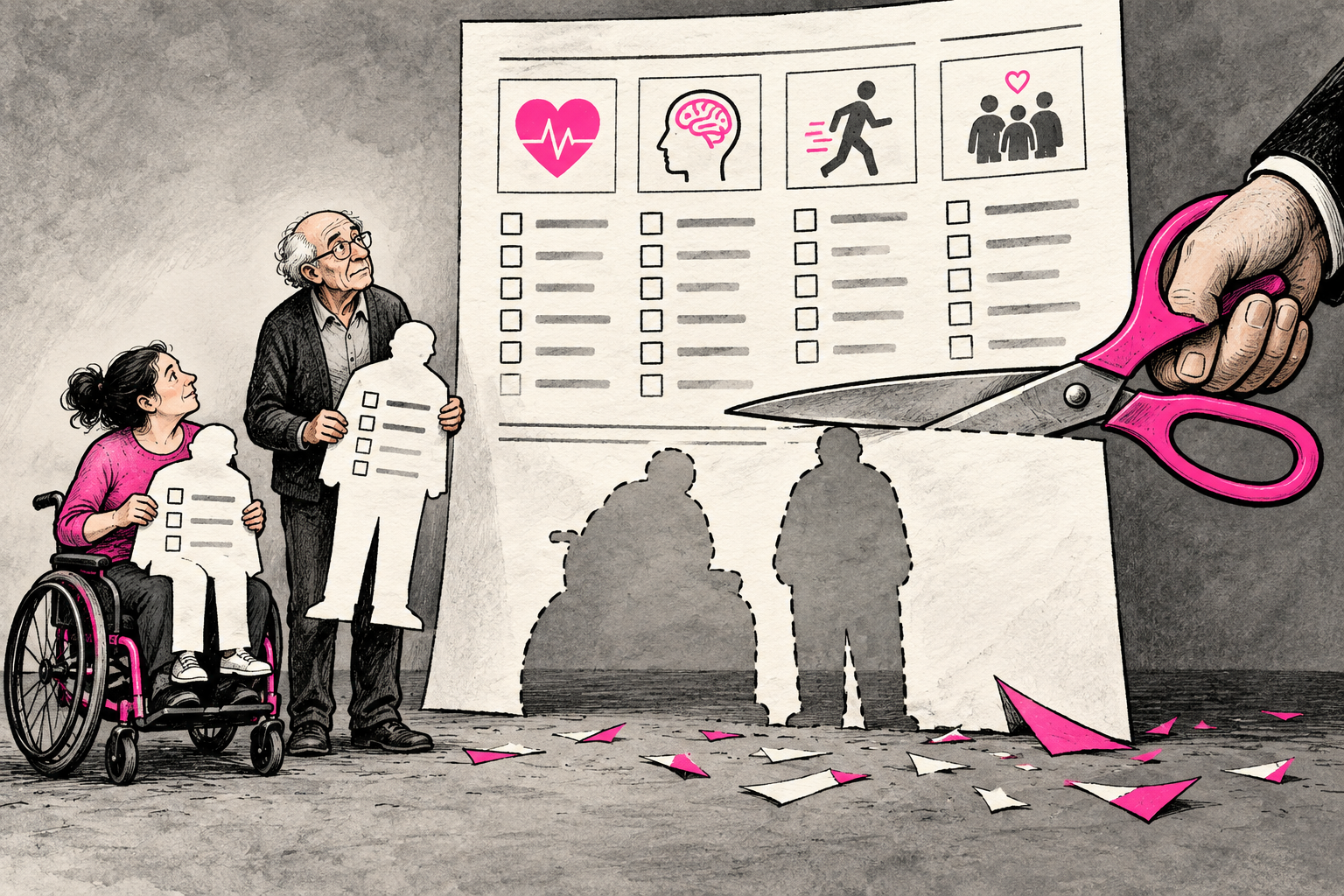
There is a wonderfully cheap way to make a complicated problem look smaller: stop asking enough questions to see it.
That is not an established description of the government's intent. It is the risk a serious health-survey redesign needs to avoid.
The Associated Press reported October 14 that proposed reductions to the National Health Interview Survey worry disability advocates and researchers. Survey officials say details remain under development. An official told AP the redesign was not ordered by HHS or the White House budget office.
CDC's public proposal, posted in August, describes a 2028 redesign using shorter questionnaires and additional self-response options. It cites cost, difficulty reaching households and respondent burden. Its comment deadline is October 20, 2026.
So this is an active proposal attracting fresh scrutiny, not a survey that was secretly abolished overnight. The legitimate questions concern what its changes would preserve, lose and measure differently.
Shorter Can Be Better. Less Accurate Cannot.
Nobody should pretend that a very long questionnaire is automatically a good questionnaire.
People have limited time. They may distrust institutions, struggle with the format or decide that the interview can wait until a mythical week in which everything else is finished. A survey that fewer people complete has a problem worth addressing.
The answer is to improve the design while demonstrating that it still produces useful information.
That requires more than counting the questions removed. It means testing whether the revised instrument identifies the people and experiences it is supposed to capture. It means examining which respondents can use each format and who needs an accessible alternative.
Disability is exactly the sort of subject where an apparently neat simplification can conceal important differences. A brief question may be useful. It may also fail to capture an experience that a more carefully constructed set of questions can reveal.
The correct response is evidence, not an ideological argument about whether the questionnaire looks sufficiently efficient in a slide deck.
A government that wants better data should show its testing, explain its trade-offs and invite criticism before the changes become routine.
If People Disappear From The Data, Their Needs Remain
The liberal stake is straightforward. Public decisions should be informed by the lives people actually lead, including people whose experiences are inconvenient to summarize.
Losing visibility does not remove the need for accessible services, support or insurance. It can make the debate over those needs less grounded.
That is a measurement concern, not a claim that this particular proposal has already changed anybody's benefits. The distinction matters. The danger is serious enough without inventing an immediate consequence.
Budget pressures also deserve an honest discussion. Maintaining a useful national information system requires staff, expertise and resources. If decision-makers want to spend less, they should explain what information the savings might cost and whether a different approach could preserve it.
Calling a reduction modernization does not settle the question. Neither does calling every proposed change sabotage.
Researchers and disability advocates should be heard on the substance: minimum question sets, accessibility, comparability and the practical uses of the resulting data. CDC's request for comments is a concrete opportunity to examine those issues before the deadline.
The objective should be a survey people can complete and the country can trust.
A shorter form would be a success if it gets us there. A smaller picture of Americans' needs would not.
Government cannot claim to understand the public while treating inconvenient details as the administrative equivalent of extra baggage.